|

Genetically Modified plants have never been commercially grown in Britain. Public resistance to their arrival in 1997 got GM ingredients out of supermarkets. Lobbying and direct action stopped GM crops being tested on a large scale here.
But in North America the experiment has been continuing for over a decade. This website will give you fully referenced information about what we can learn from their experience and from those in the global south who have been fighting to resist patents on life.
The current government has declared its intention to be "the most pro GM this country has ever seen". Without action now, commercial growing could begin as soon as 2014. The good news is that with the right resistance, we know we can win. We've done it against all the odds once already.

What is GM again?
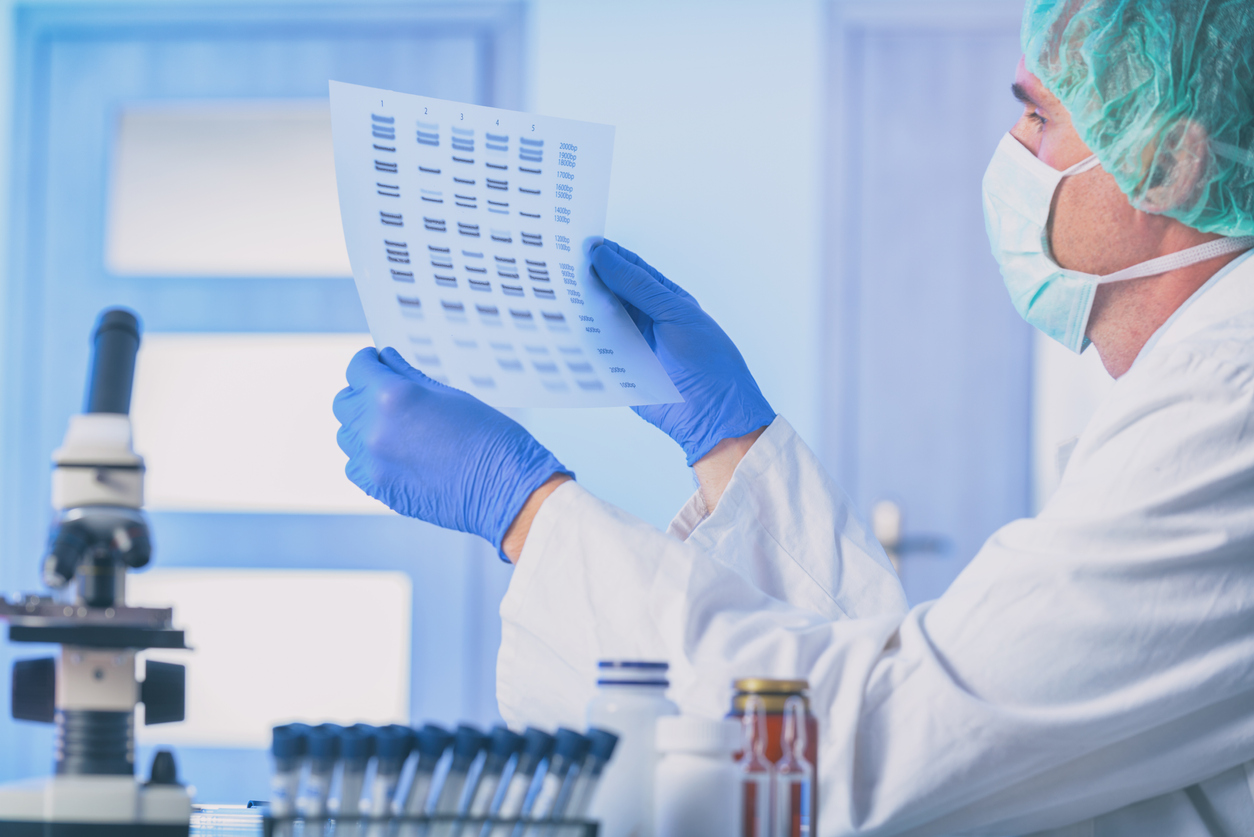
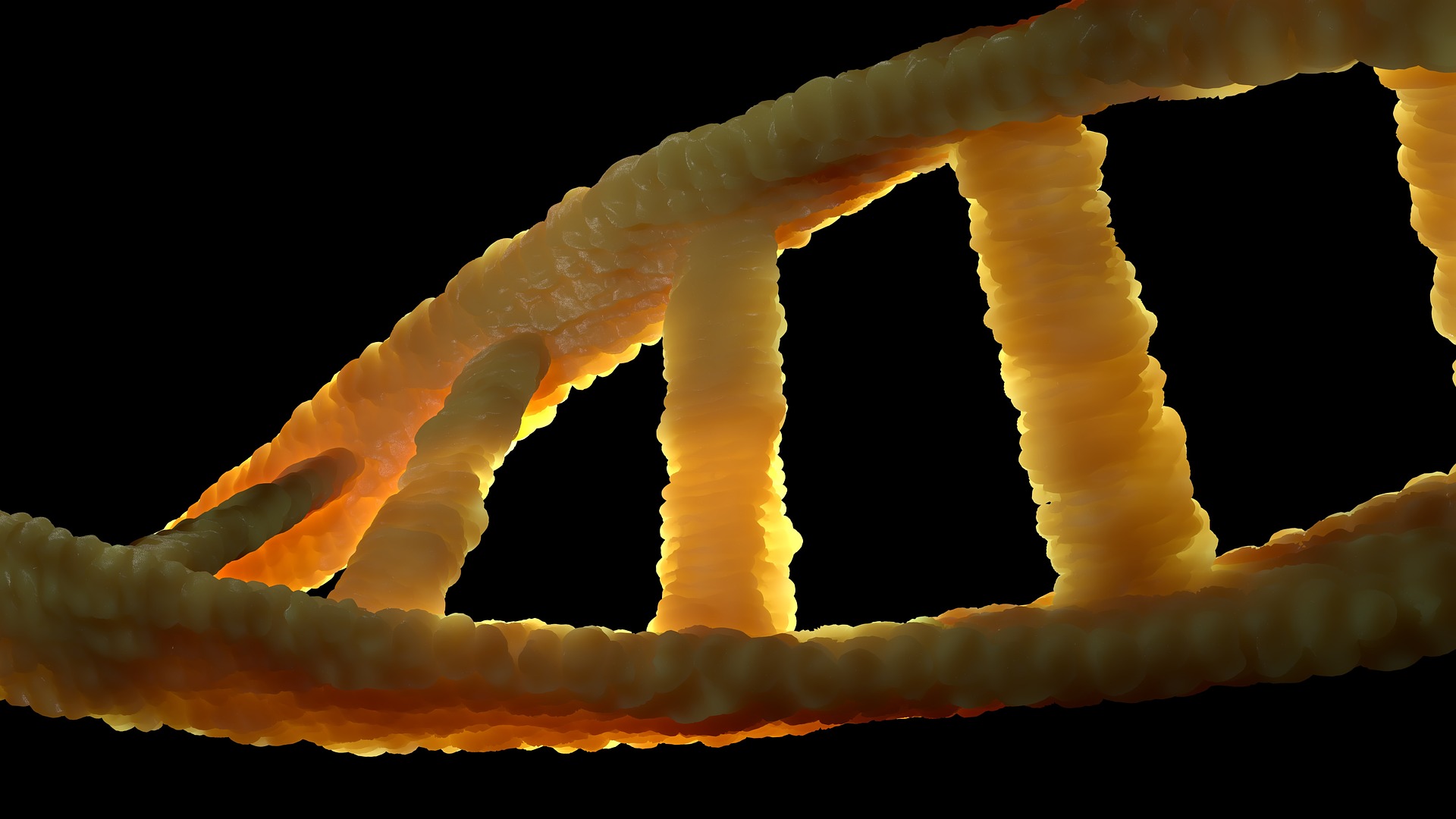
Genetic Modification is the process of taking a gene from one thing, and putting it into the DNA of another species, usually with the addition of a virus. This mixing of genes across species barriers is something that fundamentally interferes with the process of evolution that has created life on earth up until now. It is totally different from the selective breeding we've used to develop crops in the past. Find out more on the science of how GMOs are made.
What's it being used for?
Most GM crops are engineered to be resistant to weed killer - which is sold by the same company that produced the GM crop. These crops can then be regularly sprayed with herbicide without being killed. In the States this has led to huge increases in the amount of herbicides used. They haven't shown higher yields, but there have generated much higher profits from the sales of herbicides.
Is it safe to eat?
The other common use for GM is to create crops that produce a pesticide in every cell of the plant. Interfering with the plant's DNA often produces unexpected results, and can create new toxins and allergens. Yet GM foods have undergone no long-term safety testing. Only one study has been published on the effect eating GM has on humans. It found unexpected effects on gut bacteria, but has never been followed up. Animal feeding tests have shown worrying health effects.
What impact does it have?
Once we start growing GM crops there is no way back, because they cross-contaminate other crops. GM pollen is effectively an invisible pollution that can reproduce. Canada can't grow organic oilseed rape any more and Spain is loosing it's organic sweetcorn sector because all over the country these crops have been contaminated with GM. Neither consumers or farmers can choose to avoid it. The United States have lost multi million dollar export contracts to Japan and Europe because virtually all of their maize, oilseed rape, and soya are now GM contaminated.
What's more, because GM seeds are patented, neighbouring farmers are sued by the biotech companies if their seed stocks get contaminated with GM. This has lead to many North American farmers buying GM products simply because they can't afford the risk that their land might have picked up neighbouring farmers GM 'traits'. Just one company, the American chemical transnational Monsanto, owns over 90% of the GM market.
Is it needed?
While the biotech industry claims that GM will 'feed the world' the hungry understand that this is just a failing science tied to big business. As laid out in this letter from October 2010 - response from over 50 organisations from the Global South (Third World)
In India, Brazil, and elsewhere thousands of people have responded by occupying biotech laboratories and pulling up GM crops in an effort to protect their food supply and livelihoods, and from Haiti to Zambia hungry people have rejected GM aid. Their resistance, and the poor performance of the technology, mean that no more than 2.7% of agricultural land is currently under GM production.
In Britain, both the Welsh and Scottish assemblies have declared their regions 'GM free zones' but this doesn't stop Whitehall pouring funding into biotech research. Over £1.7 million of public money has been spent in 10 years for just one test site. This is despite the fact that developments in selective breeding (including systems which analyse DNA without interfering with it) consistently provide faster, cheaper and more effective results. Non GM varieties of blight resistant potatoes, increased vitamin A rice, and higher yielding varieties of all kinds of crops have already been grown through these methods.
For over 20 years now the industry has promised that 'salt tolerant' and drought resistant varieties are 'just around the corner'. Yet they've still not produced a single one. Meanwhile international peasants groups like Via Campesina believe that GM is a such a serious threat to their survival that they're prepared to risk their freedom, even their lives, to try and stop it.
GM is on it's way back to the UK?
The new head of the government department responsible for regulating GM here in the UK, Caroline Spelman, used to run a pro-GM lobbying company. GM field trials have started again in Britain. In 2010 there were three open air experiments with new varieties of GM potatoes. The European Commission (part of the EU) is very pro-GM and is trying to change European legislation to make it easier for Biotech corporations to grow GM crops.
This website has been research and produced by a group of independent volunteers. It's packed with the information you need to understand about GM, and its alternatives. Check out these links for more:
|